Parametric Experimentation / R&D Algoritm
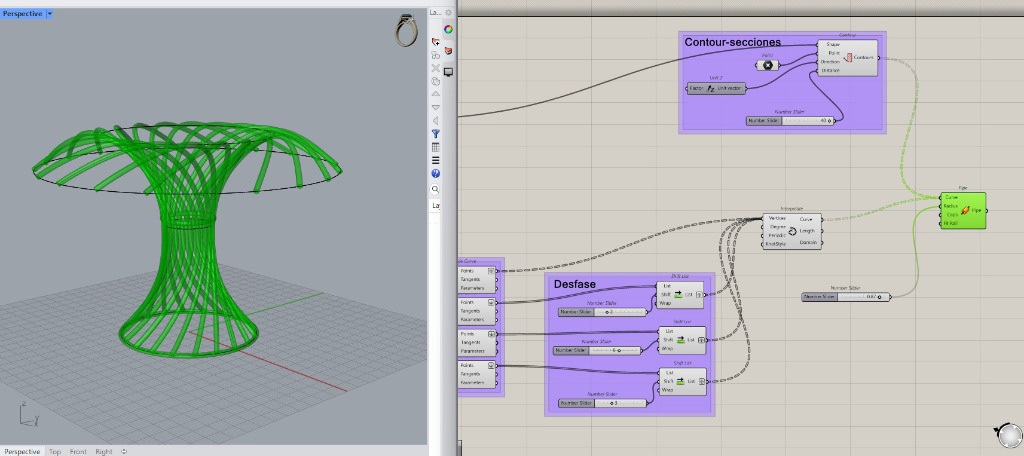
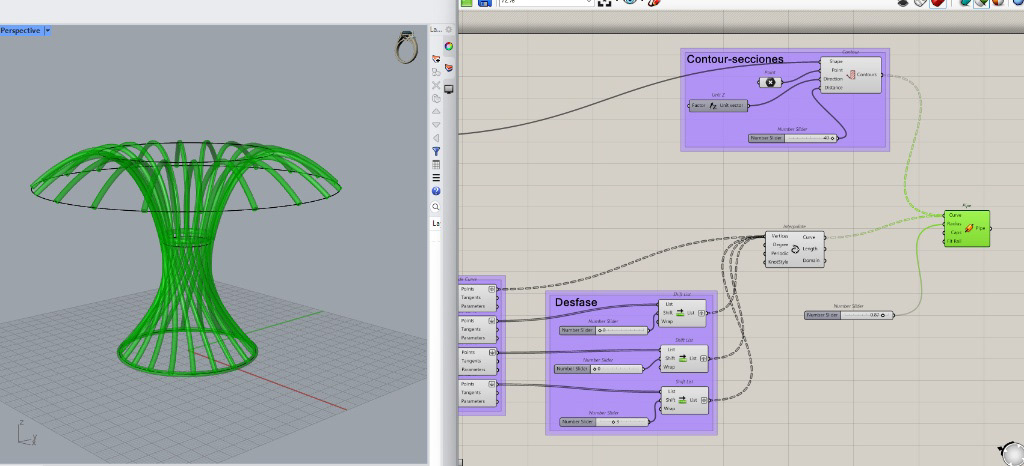
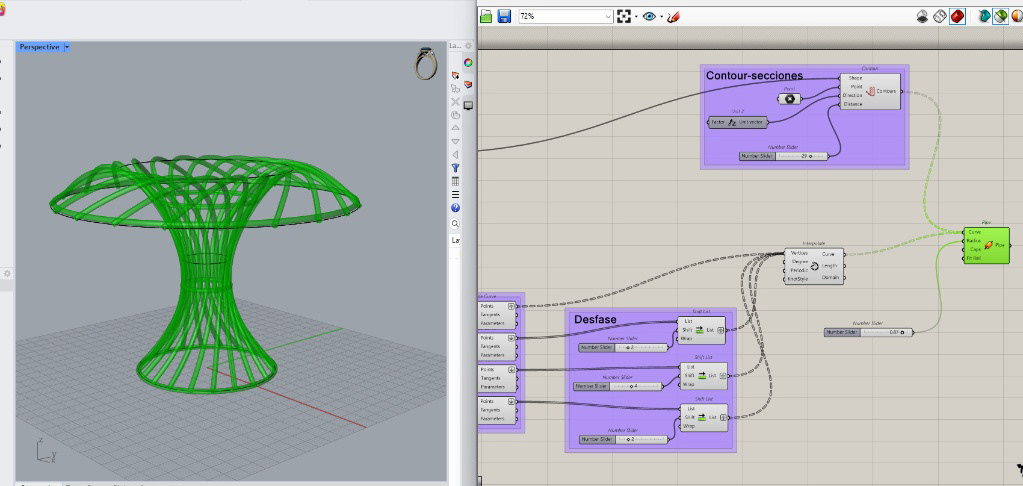
The R&D_ 01 approach focuses on:
The R&D_ 01 approach focuses on:
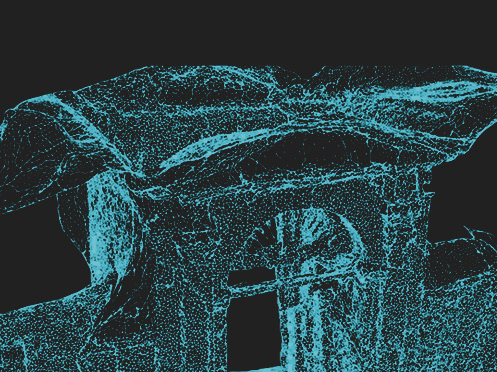
_Rapid Iteration: Testing dozens of morphological variations by altering basic inputs such as radius, torque, and section density.
_Constructive Geometry: Exploring how contouring and offsetting algorithms can translate an organic form into real, manufacturable construction elements.
_Systemic Adaptability: Developing modules that are not static, but rather adaptive systems capable of scaling from micro-furniture to macro-territorial structures.
These models represent preliminary studies—a continuous research loop where the algorithm is not the final destination, but a powerful tool to expand both the creative and technical boundaries of design.
Algoritmic Spatial Planning & Random Jitter Modulation
The R&D_ 01 approach focuses on:
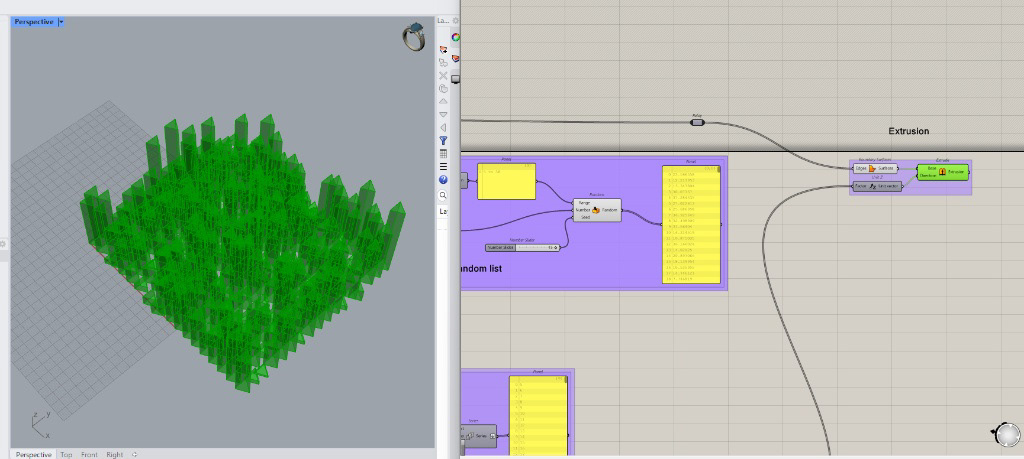
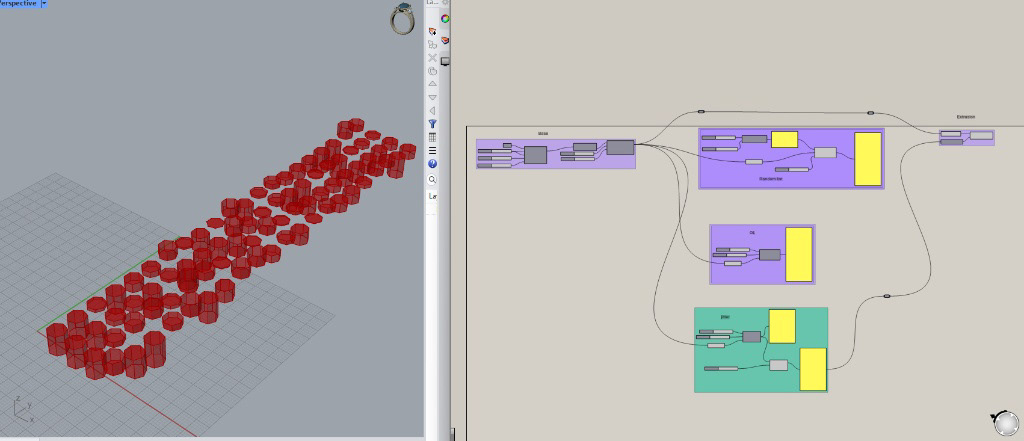
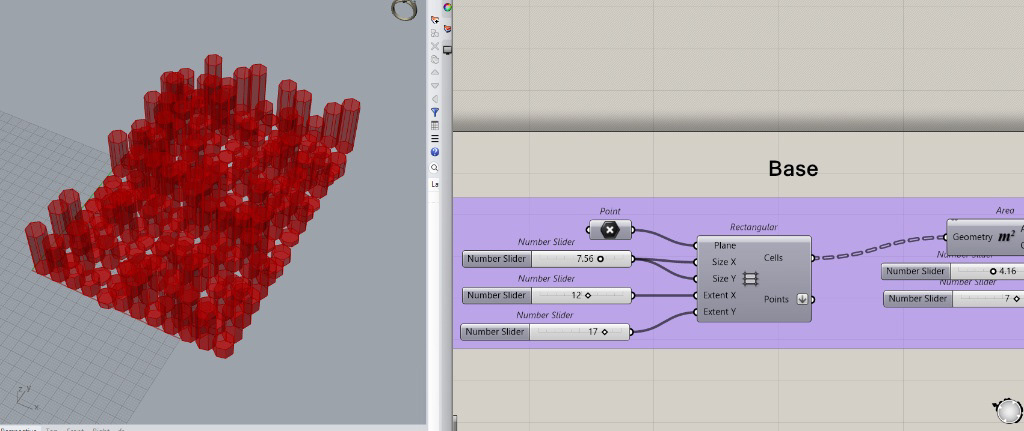
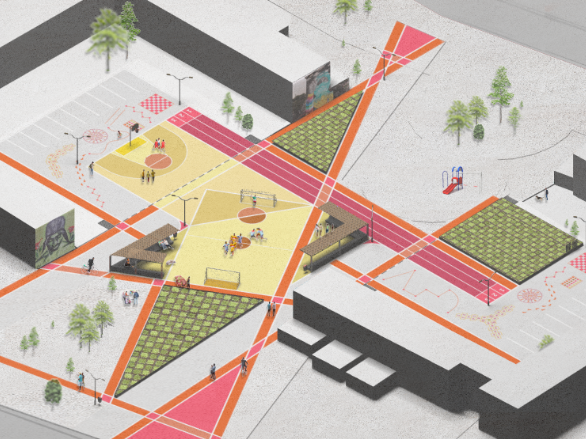
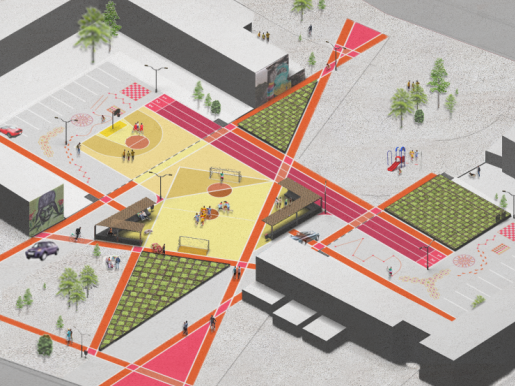
This phase of algorithmic research explores the potential of parametric design applied to the planning of settlements and spatial modules (housing, retail structures, or urban furniture).
The R&D_ 01 approach focuses on:
This phase of algorithmic research explores the potential of parametric design applied to the planning of settlements and spatial modules (housing, retail structures, or urban furniture).
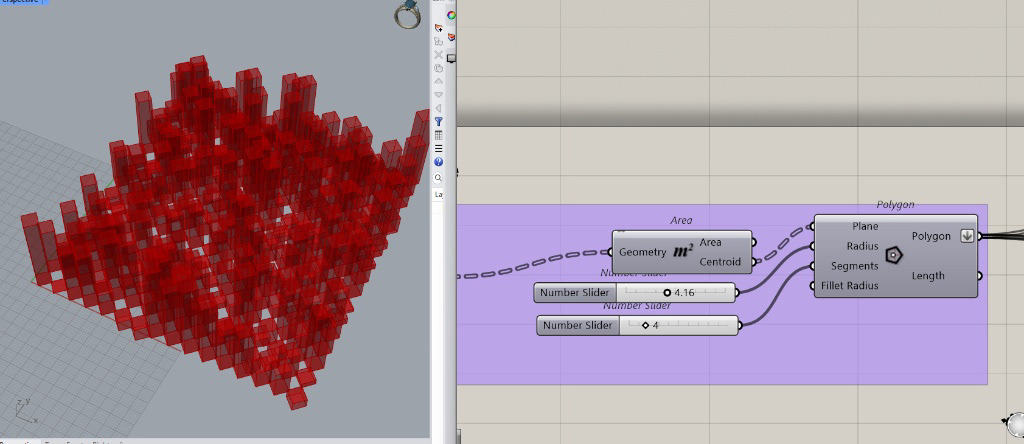
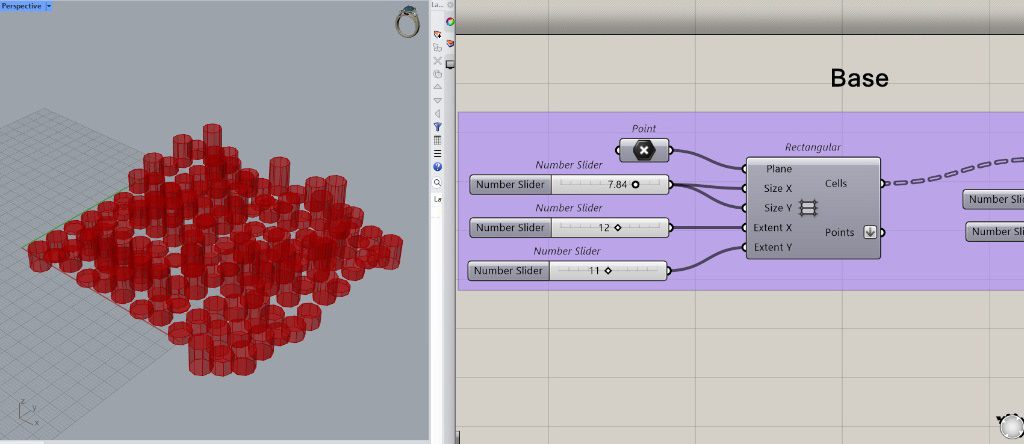
Using Grasshopper (Rhinoceros), the objective is to define control algorithms for the distribution and volumetric occupancy of a given area.
_Parametric Planning: Automatic generation of modules based on logical, rule-based systems.
_Random Jitter Modulation: Controlled introduction of randomness (jittering) in key parameters—such as module height, rotation, offset, or density—to generate dynamic, non-monotonous spatial configurations.
_Rapid Iteration & Data: Instantly testing dozens of occupancy variants by altering algorithmic parameters. This allows for immediate analysis of "worst-case scenarios" or optimal density requirements.
_These models represent preliminary theoretical studies—a decision-support tool in urban and landscape design used to quickly visualize the potential of a module across vast surfaces.